
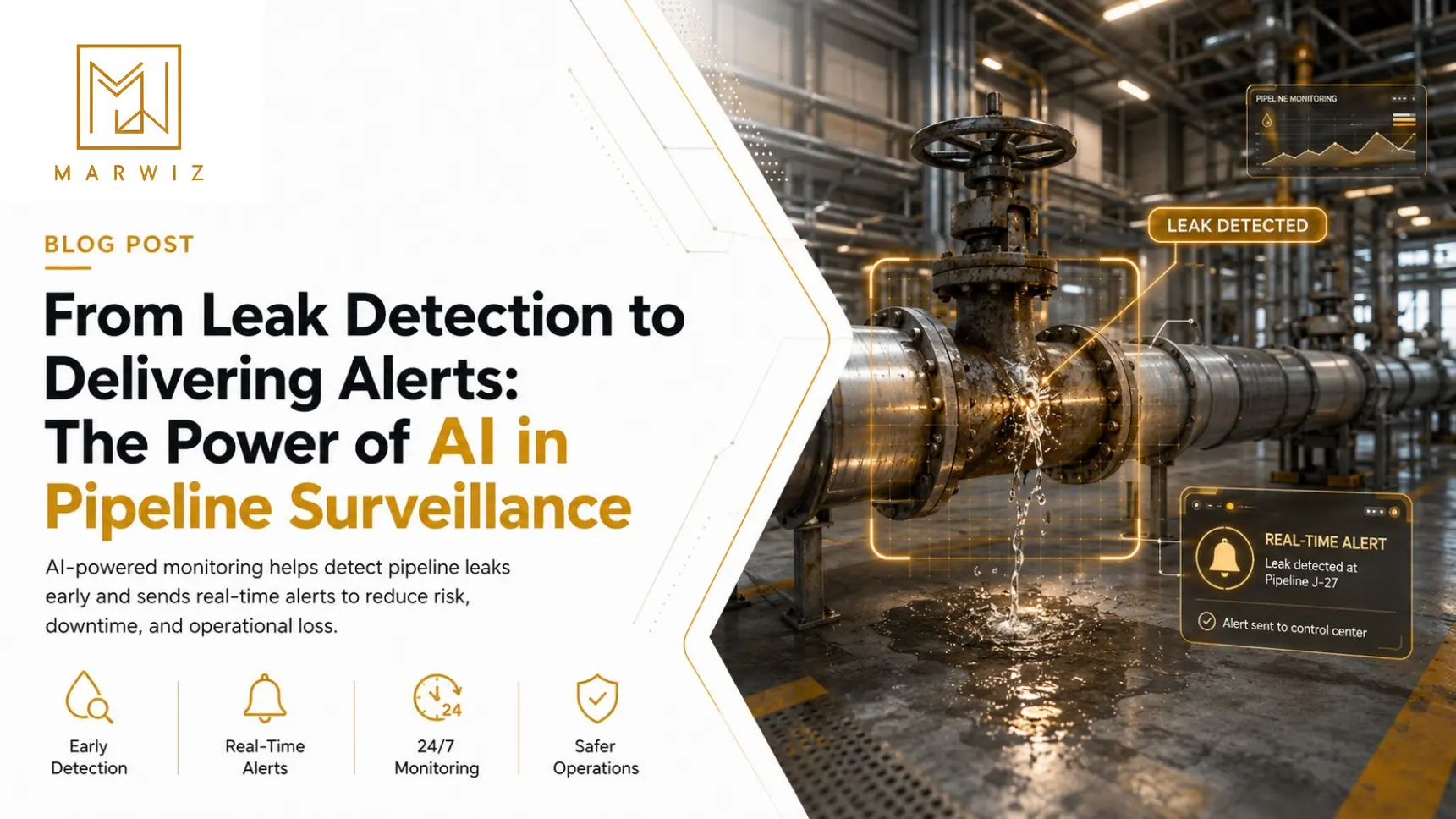
Someone notices a small puddle near a pipeline junction.
Nobody knows exactly when it started. It could have been leaking for ten minutes, or it could have been leaking for two hours.
By the time anyone is standing there looking at it, the real question is no longer: "Is there a leak?" The real question is: "How long has this been happening?"
The Most Expensive Leaks Are Usually the Ones Nobody Notices
That uncertainty is what makes pipeline leaks expensive. The leak itself might be small. The problem is the time between when it started and when somebody noticed.
Leaks in pipelines, whether for water, gas, or chemicals, can lead to environmental hazards, operational downtime, and financial losses.
The real cost isn't just the lost material. It is the time that passes between the first drop and the moment someone realizes what is happening.
When a leak goes unnoticed, a problem that could have been contained quickly becomes much harder and more expensive to manage.
What Happens Between the First Leak and the First Response?
Many facilities rely on conventional monitoring methods, but these often detect leaks too late. Traditional CCTV might be pointed at a critical junction, but a camera alone only records the footage. It doesn't tell anyone that a problem is developing. If a team relies solely on manual inspections, they are essentially hoping someone walks past the exact spot at the exact right time.
This is where a dedicated pipeline leak detection system changes the equation.
Instead of waiting for a manual check, Marwiz Vision continuously monitors critical pipeline infrastructure. The system watches for leaks or unusual flow patterns as they happen. Instead of waiting for someone to discover the problem during a routine check, teams gain visibility while the situation is still developing.
The goal is simple: identify problems early enough that teams still have time to respond. Seeing this AI-powered pipeline leakage detection in action shows exactly how much faster that response can be on the floor.
Why Minutes Matter More Than Leak Size
Seeing the leak is only the first step. When a disruption occurs, real-time alerts allow maintenance teams to respond immediately.
This early intervention prevents accidents from escalating and protects staff, equipment, and surrounding areas from potential hazards. Catching the issue quickly leads directly to reduced operational losses.
Teams can control the situation before it forces costly downtime or severe production interruptions. In environments where delays can escalate quickly, having more time to respond makes a significant difference.
A Small Leak Creates Different Problems in Different Facilities
Pipeline networks carry different materials depending on the environment, meaning the risks vary from site to site.
In industrial plants, teams need to quickly detect leaks in chemical or manufacturing pipelines to prevent widespread contamination.
Oil & gas facilities operate in highly volatile environments, making it critical to monitor pipelines for any fuel or gas leakage.
Water treatment plants and utilities focus on preventing water wastage and stopping contamination before it reaches broader systems.
Inside hospitals and laboratories, the stakes are exceptionally high, as they must carefully monitor critical pipelines carrying sensitive gases or chemicals.
Even commercial complexes and buildings require visibility to detect water or gas leaks hidden within HVAC and plumbing systems.
Looking Back Usually Reveals What Nobody Saw in the Moment
Continuous 24/7 monitoring fixes the immediate problem of undetected leaks. But looking at the data over time reveals a deeper story.
When unusual activity is monitored consistently through AI video analytics, trends become easier to identify. Teams gain a clearer picture of where issues occur, how often they happen, and where additional attention may be needed.
By reviewing customizable reporting, maintenance planning becomes proactive rather than reactive. Knowing exactly where and when issues occur helps ensure strict industrial compliance without the guesswork.
Pipeline Monitoring Was Never Really About Pipelines
Detecting a leak is only part of the problem.
The real challenge is detecting it before the consequences become expensive, dangerous, or difficult to control. Pipeline monitoring was never really about the pipes themselves.
It was always about giving teams enough time to respond before a small problem becomes an expensive one. This understanding is what drives the approach at Marwiz Vision.
If hidden leaks or delayed response times are creating risks on your floor, our team can help evaluate your setup. Reach out to discuss how better visibility can protect your operations.